Eurooppalainen Suomi on kaikille Eurooppa-asioista kiinnostuneille avoin kansalaisjärjestö, kansainvälisen European Movement International -järjestön suomalainen jäsenjärjestö ja valtakunnallinen keskusjärjestö. Työmme on edistää Euroopan unionista käytävää kansalaiskeskustelua Suomessa ja Euroopassa sekä lisätä tietoisuutta Euroopan unionin toiminnasta.
Ajankohtaista

Meillä on ilo ilmoittaa, että haku seuraavalle uramentorointikierrokselle Brysselissä syksylle 2026–keväälle 2027 on nyt auki, ja jatkuu aina 15.9.2026 asti!...
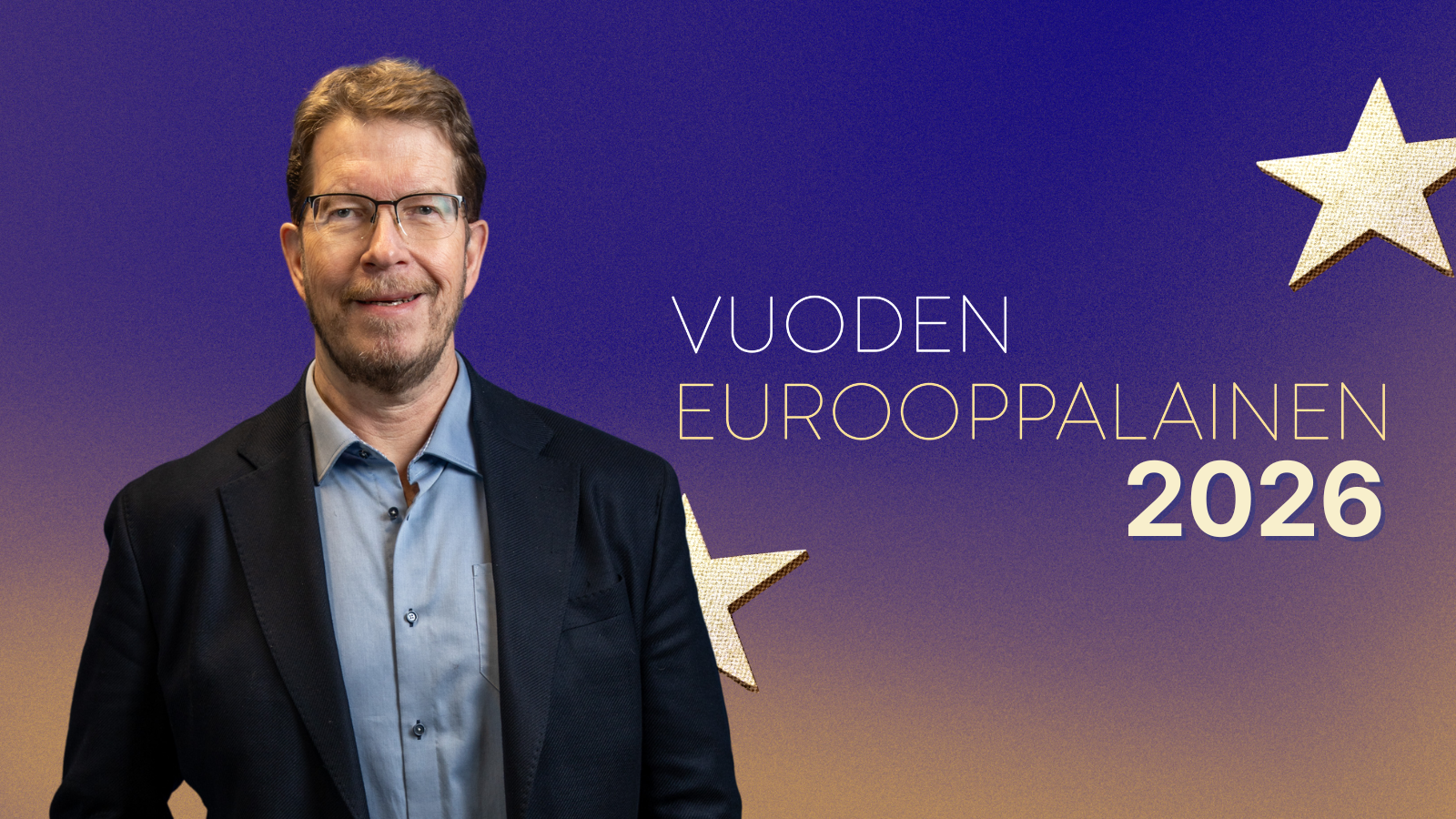
Eurooppalainen Suomi ry on myöntänyt Vuoden eurooppalainen 2026 -tunnustuksen SSH Communications Security Oyj:n toimitusjohtajalle Rami Raulakselle. Hallituksen huomion...
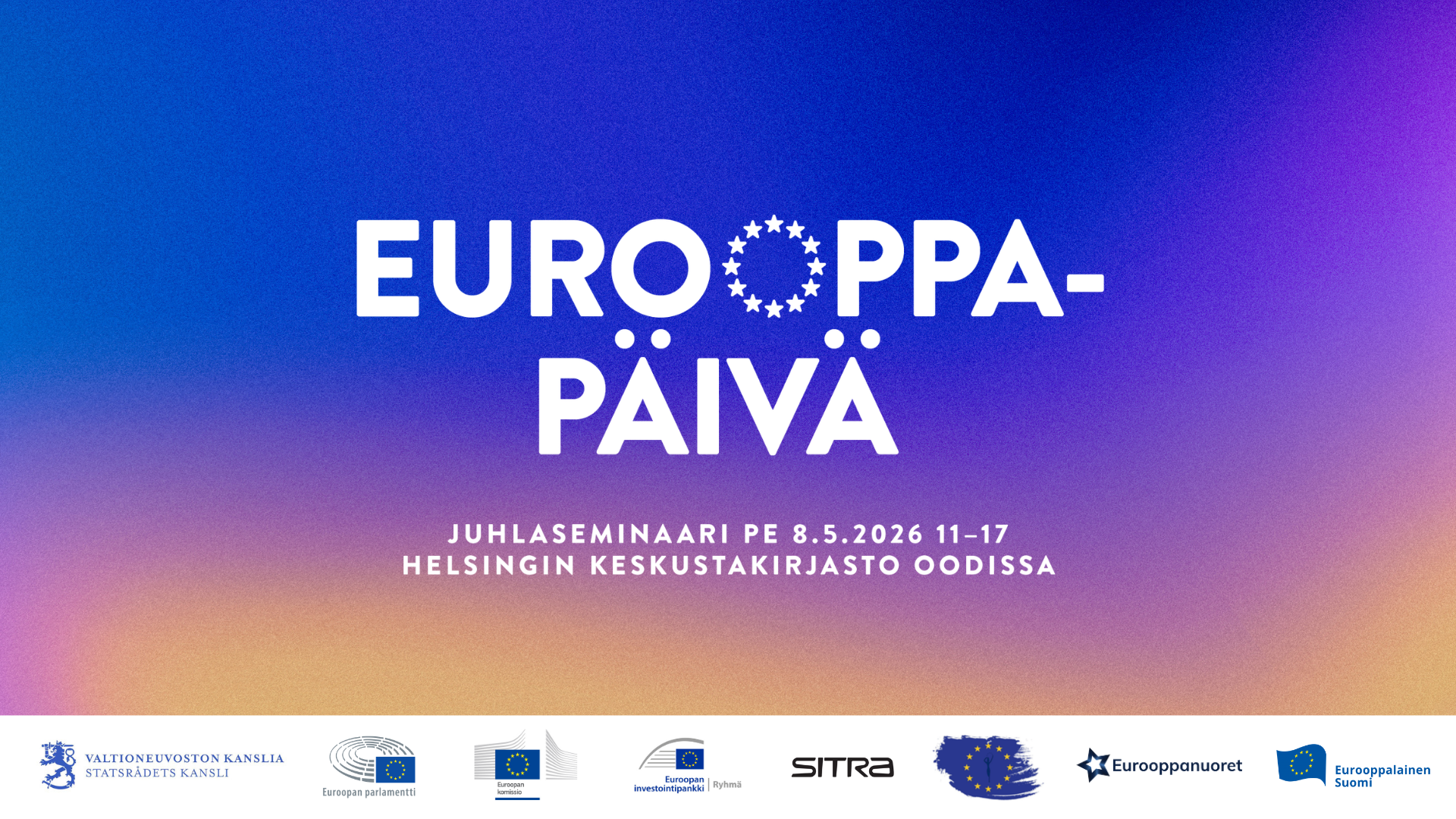
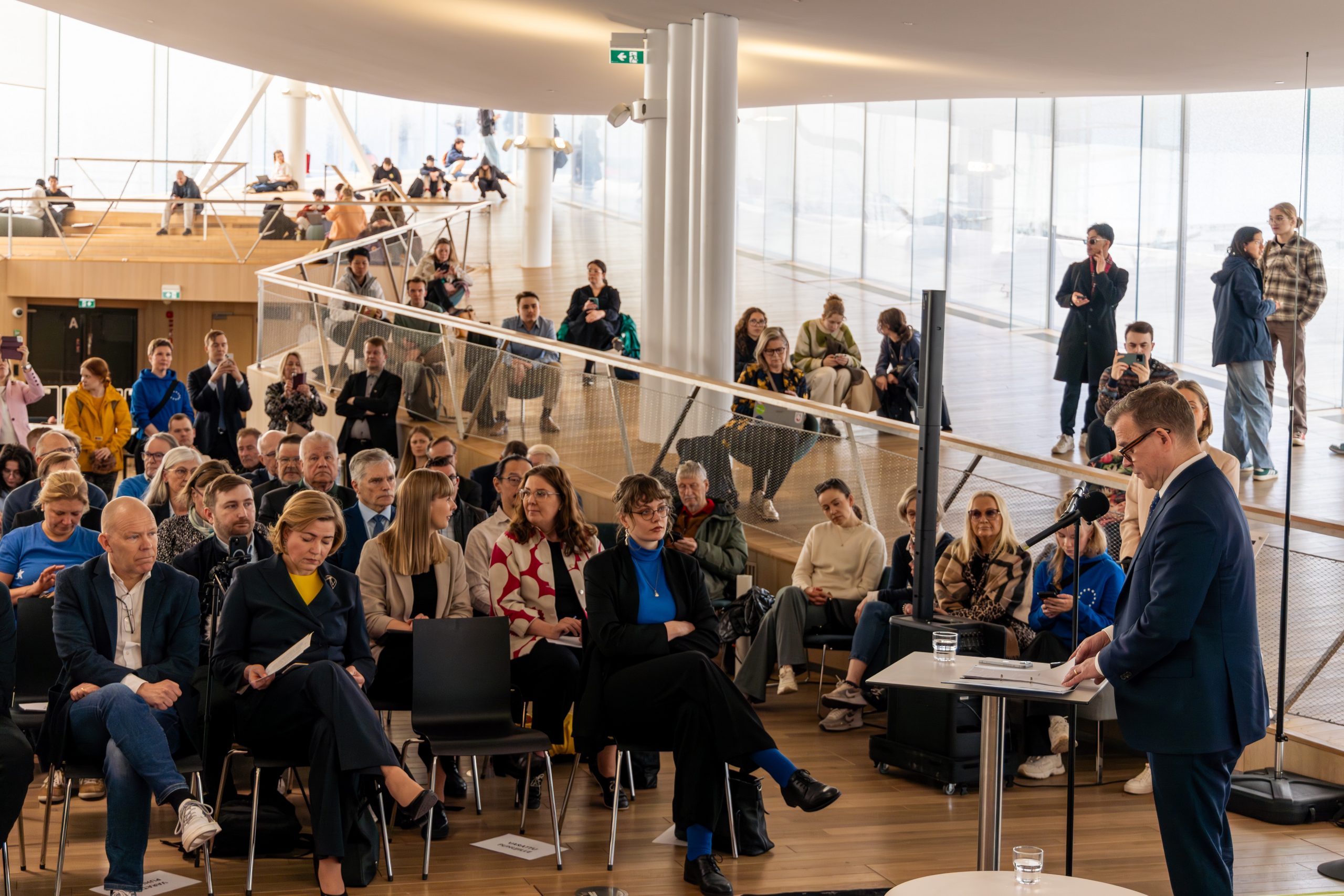
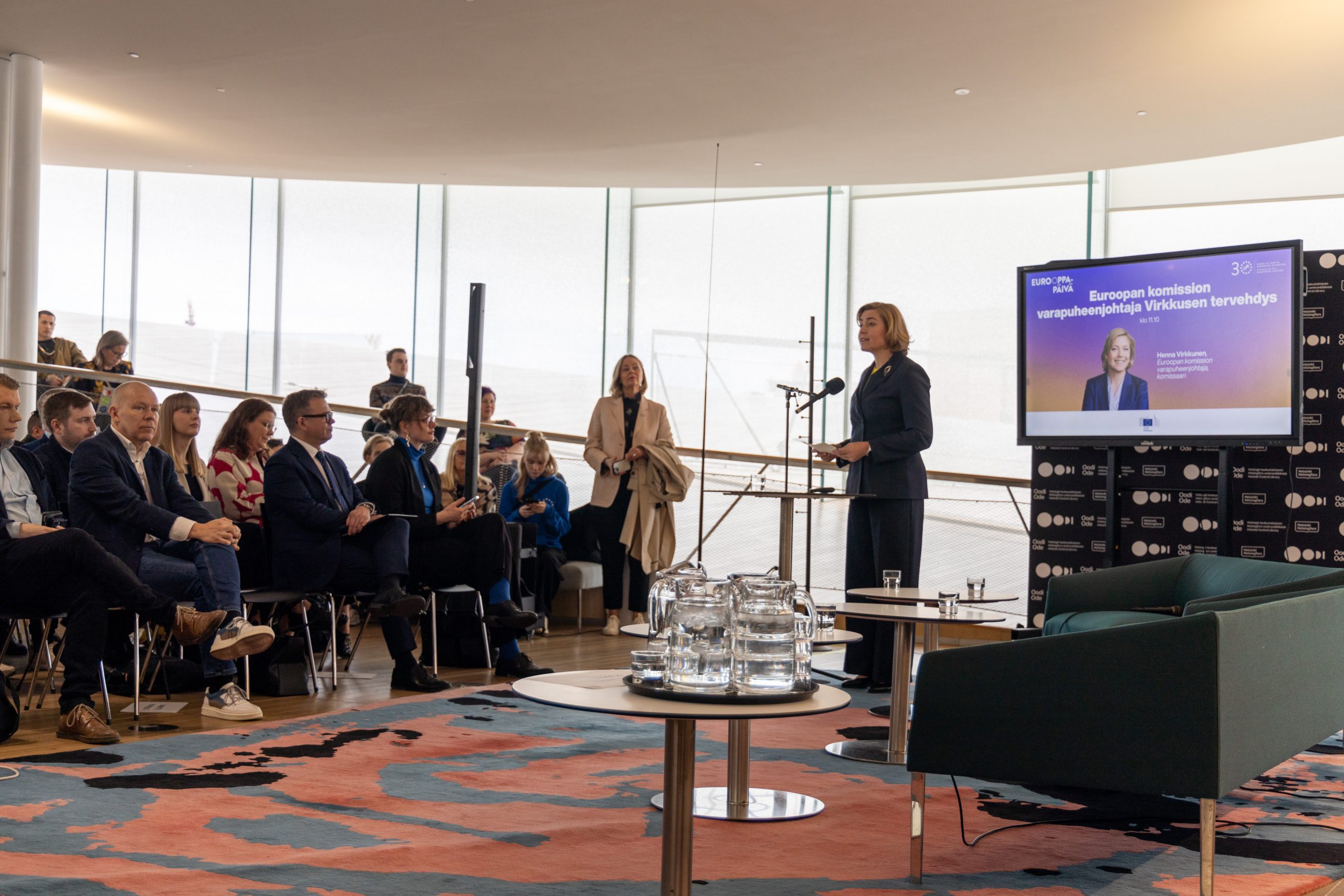
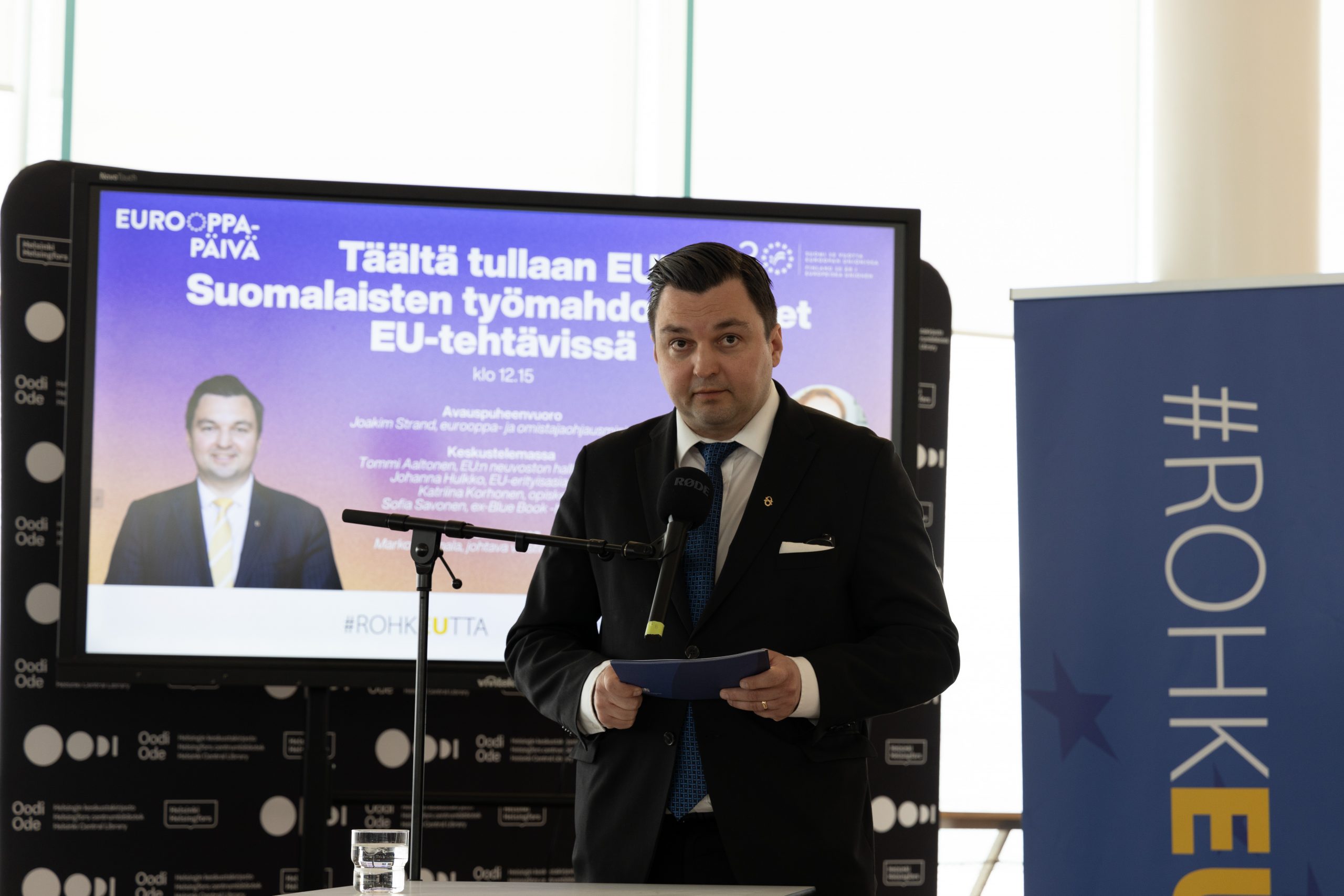
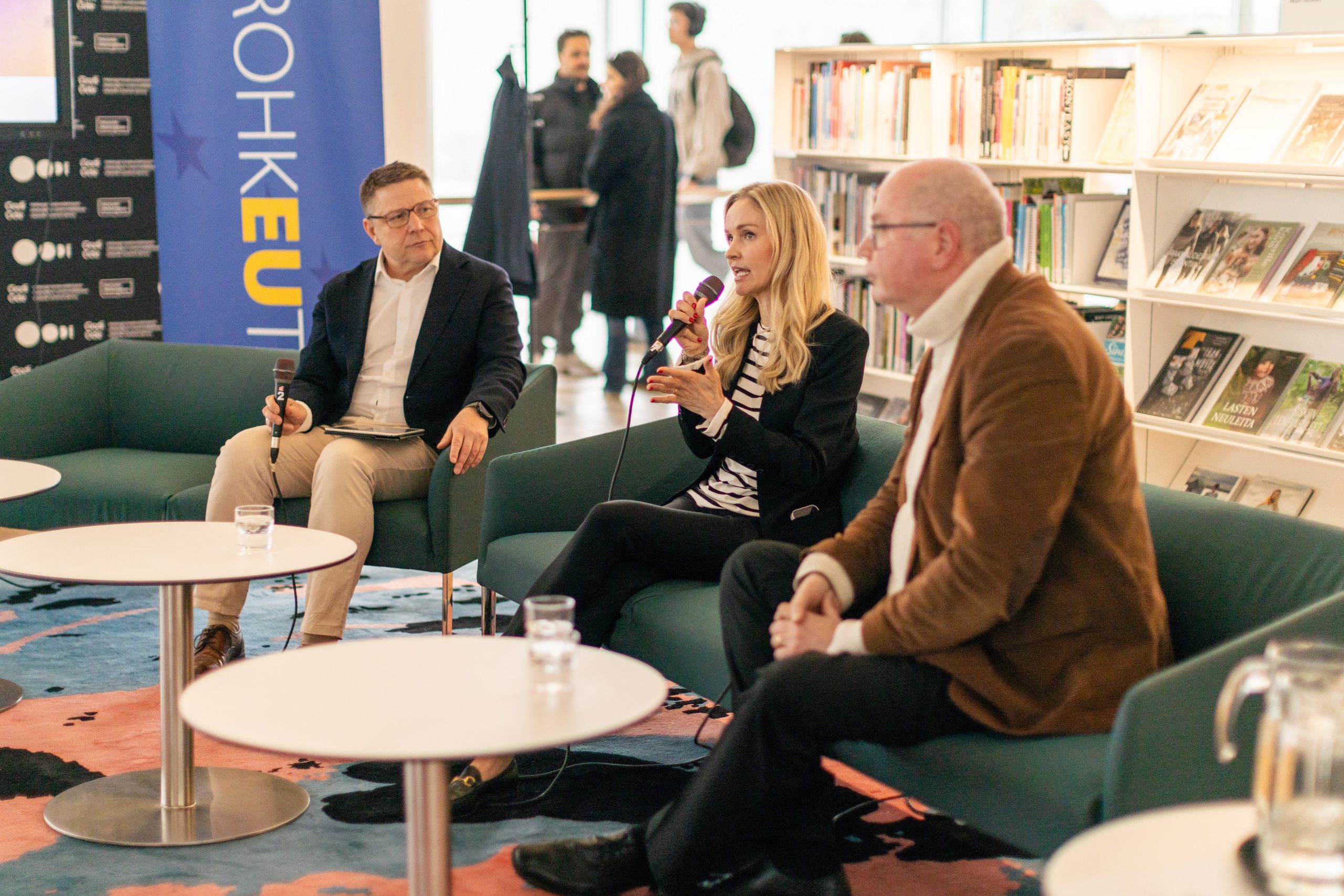
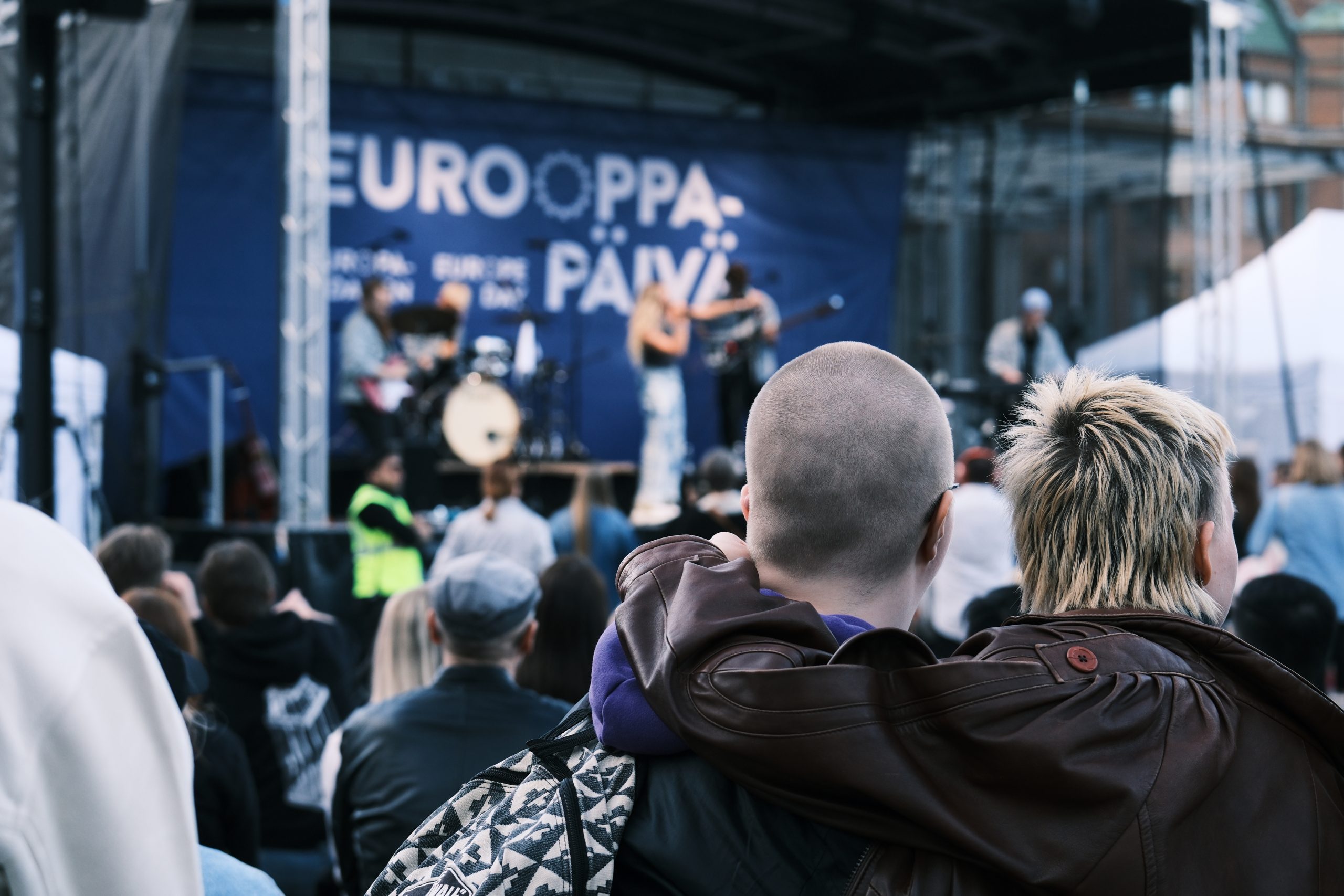
Eurooppa-päivän avoimessa juhlaseminaarissa keskustellaan Euroopan itsenäisyydestä myrskyisässä maailmassa, Suomen asemasta ja EU:n tulevasta rahoituskehyksestä...

Eurooppalaisen Suomen korkeakouluharjoittelijana on 1.4.2026 aloittanut Eurooppa- ja Pohjoismaiden tutkimuksen maisteriopiskelija Shpejtim Zhitia. Zhitian harjoittelu...

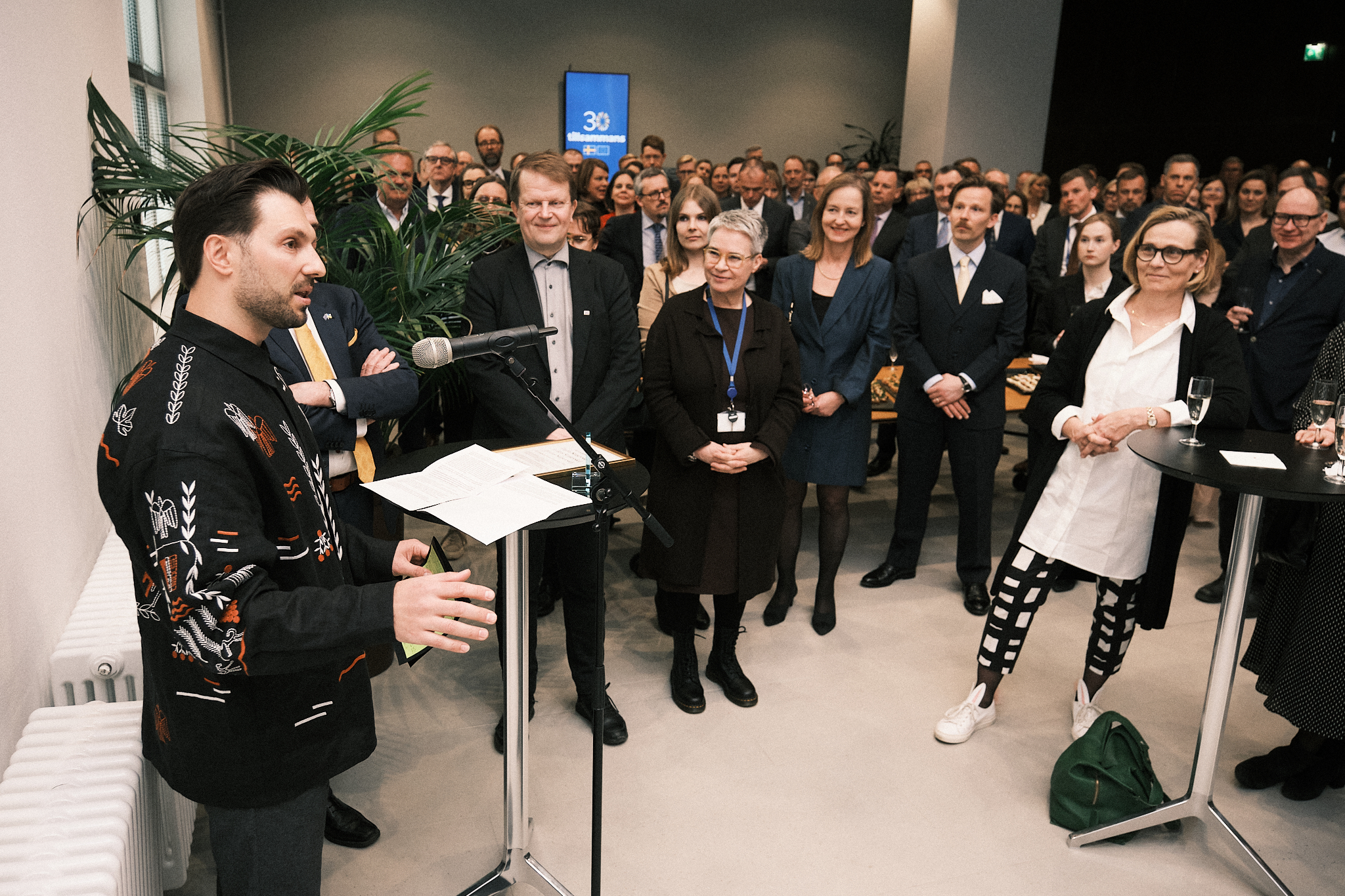
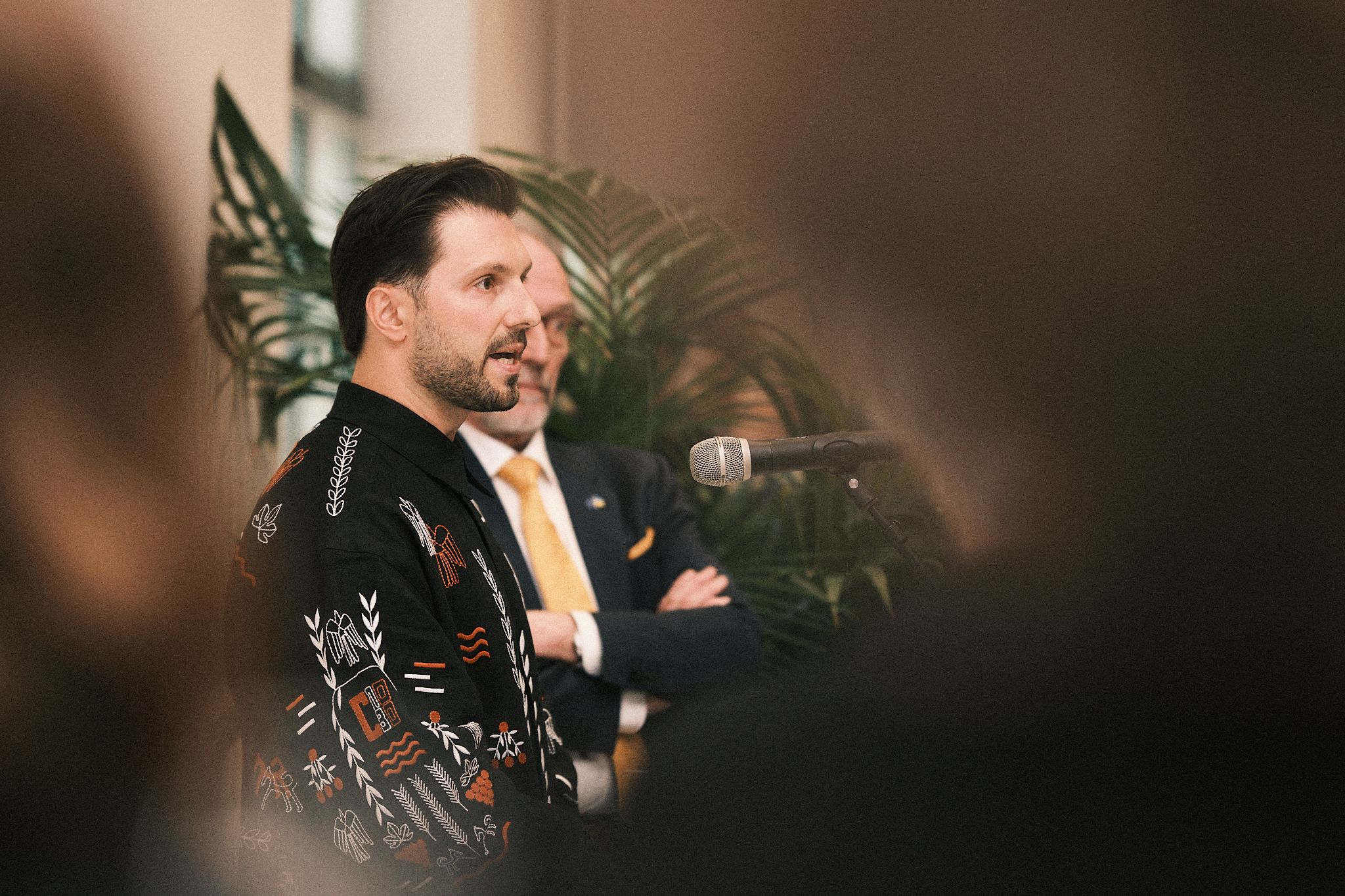
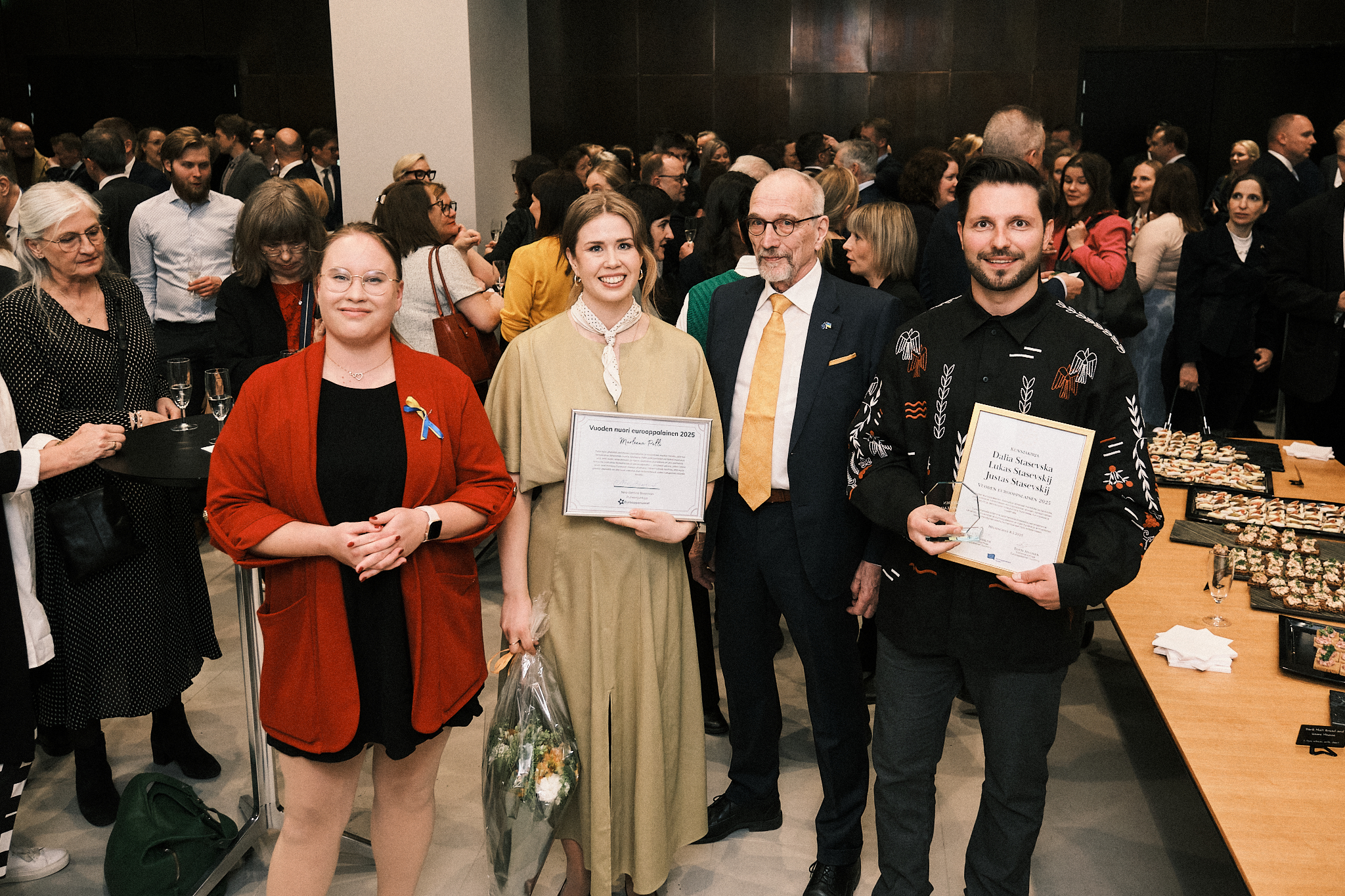
Eurooppalainen Suomi jakaa osana Eurooppa-päivän juhlintaa Vuoden eurooppalainen -tunnustuksen. Vuosittain jaettava tunnustus myönnetään kiitokseksi ansiokkaasta...

Eurooppalainen Suomi ry:llä on haettavana kaksi korkeakouluharjoittelijan paikkaa - yksi keväälle 2026 ja toinen syksylle 2026. Haku on auki 19.2. asti! Kevään...

Eurooppalaisen Suomen erityisasiantuntijan sijaisena on 15.1.2026 aloittanut Ninni Issakainen. Issakainen vastaa järjestön digitaalisesta ja audiovisuaalisesta...

Eurooppalainen Suomi ry:n toiminnanjohtaja Totti Sivonen jää määräaikaiselle vapaalle suorittamaan asevelvollisuutensa. Kaikissa toiminnanjohtajan tehtävissä Sivosta...

Eurooppalaisen Suomen vuosikokous pidettiin 9.12.2025 Helsingissä. Vuosikokouksessa käsiteltiin sääntömääräiset asiat, minkä lisäksi kokouksessa valittiin...
Artikkelit

On realistista arvioida, että suomalaisyritykset voisivat kotiuttaa yli kolme prosenttia tulevasta kilpailukykyrahoituksesta. Tämä tarkoittaisi arviolta 10–15 miljardin...
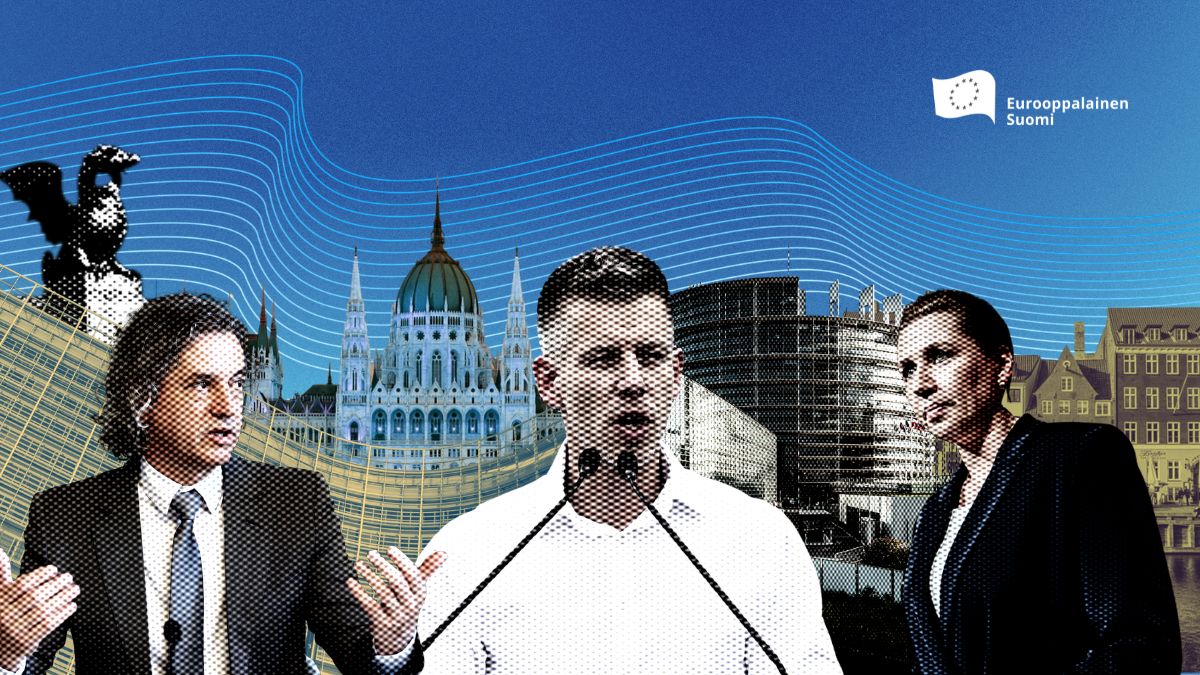
Mitä tänä keväänä käydyt kansalliset vaalit kertovat Euroopan suunnasta ? Euroopassa on viime aikoina ollut useita poliittisesti tärkeitä vaaleja, jotka heijastavat...

Keskeinen muutos on selvä: Yhdysvallat ei enää ole sääntöpohjaisen kansainvälisen järjestyksen takaaja vaan yksi sen haastajista. Tämä muuttaa Euroopan...

EU:n kykyä toimia uskottavana ulkopoliittisena toimijana rajoittaa vaatimus yksimielisyydestä ulkopolitiikkaan koskevissa päätöksissä. Niin kauan kuin kaikki jäsenmaat...

Kilpailukykyrahasto voi olla ratkaiseva askel kohti itsenäisempää Eurooppaa - jos sitä ei vesitetä. Eurooppalaisen Suomen joulukuussa 2025 julkaisema...
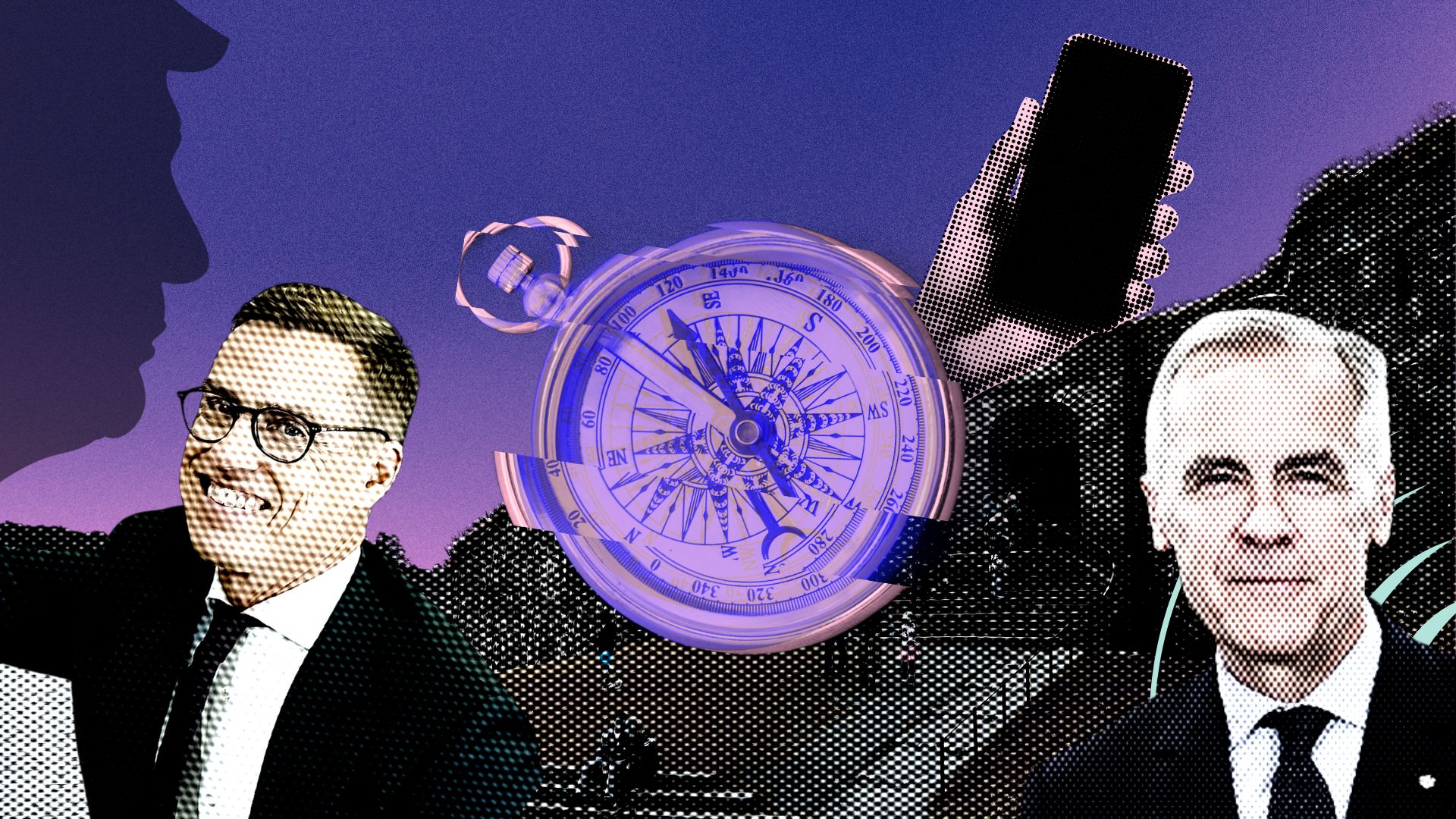
Länsi on rikki, mutta miten se käytännössä näkyy Eurooppassa? Toiminnanjohtajan sijainen Samuel Tammekann esittelee ilmiöt, joihin vuonna 2026 kannattaa...

Maailma on siirtynyt kylmän sodan jälkeisestä yksinapaisuudesta voimapolitiikan aikaan. Tuore raportti varoittaa, että vain poikkeukselliset askeleet kohti...

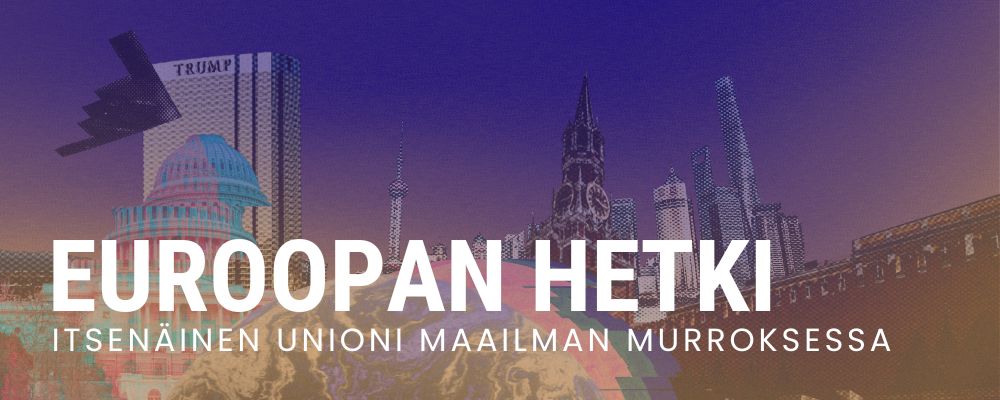
Käsissäsi oleva raportti ”Euroopan hetki: itsenäinen EU globaalissa murroksessa” pyrkii herättämään keskustelua Euroopan unionin tulevaisuudesta; missä olemme tällä...

Kylmän sodan jälkeinen liberaali järjestys on murtunut toistuvien shokkien, nousevien autoritaaristen suurvaltojen ja globaalin vallan painopisteen siirtymisen myötä....
EU:n viikko
Tällä viikolla Euroopan parlamentin valiokunnat kokoontuvat keskustelemaan muun muassa muuttoliikkeestä, teknologisesta suvereniteetista, energiapolitiikasta ja EU:n...
Brysselissä ei järjestetä tällä viikolla Euroopan parlamentin kokouksia, sillä viikko on varattu parlamentin ulkoiselle toiminnalle. Tiistaina maatalous- ja...
Tällä viikolla Euroopan parlamentin jäsenet kokoontuvat Strasbourgissa täysistuntokeskusteluihin ja äänestyksiin useista aiheista, kuten EU:n kyberturvallisuudesta,...
Tämä viikko on varattu Euroopan parlamentissa poliittisten ryhmien kokouksille, eikä näin ollen ole aikataulutettu valiokuntien kokouksia. Maanantaina ulkoministerit...
Tällä viikolla Euroopan parlamentin valiokunnat kokoontuvat keskustelemaan muun muassa Euroopan asuntokriisistä sekä lainsäädäntötoimista, joilla ehkäistään ja...
Tällä viikolla Euroopan parlamentin jäsenet kokoontuvat Strasbourgissa täysistuntokeskusteluihin ja äänestyksiin useista aiheista, kuten EU:n pitkän aikavälin...
Tällä viikolla Euroopan parlamenttin valiokunnat kokoontuvat keskustelemaan muun muassa puolustus- ja oikeusyhteistyöstä sekä kansanterveyteen liittyvistä kysymyksistä,...
Tällä viikolla Brysselissä järjestetään Euroopan parlamentin valiokuntakokouksia, joissa käsitellään ja äänestetään keskeisistä aiheista. Maanantaina EU-komissaarit...
Tällä viikolla useat Euroopan parlamentin valiokunnat kokoontuvat Brysselissä keskustelemaan ja äänestämään eri aiheista. Tiistaina komission puheenjohtaja Ursula von...
Tapahtumat
Eurooppa-päivän avoimessa juhlaseminaarissa keskustellaan Euroopan itsenäisyydestä myrskyisässä maailmassa, Suomen asemasta ja EU:n tulevasta rahoituskehyksestä...

Euroopan kulttuuriyhdistys EKSO järjestää Kypros EU:n neuvoston puheenjohtajana -tilaisuuden, jossa paneudutaan sen puheenjohtajakauden prioriteetteihin sekä maan...

15.11.2025 13:00 – 14:30 / Studio, Turun pääkirjasto Autoritaaristen järjestelmien voimistuminen, erityisesti Kiinan nousun ja Venäjän hyökkäyssodan seurauksena,...
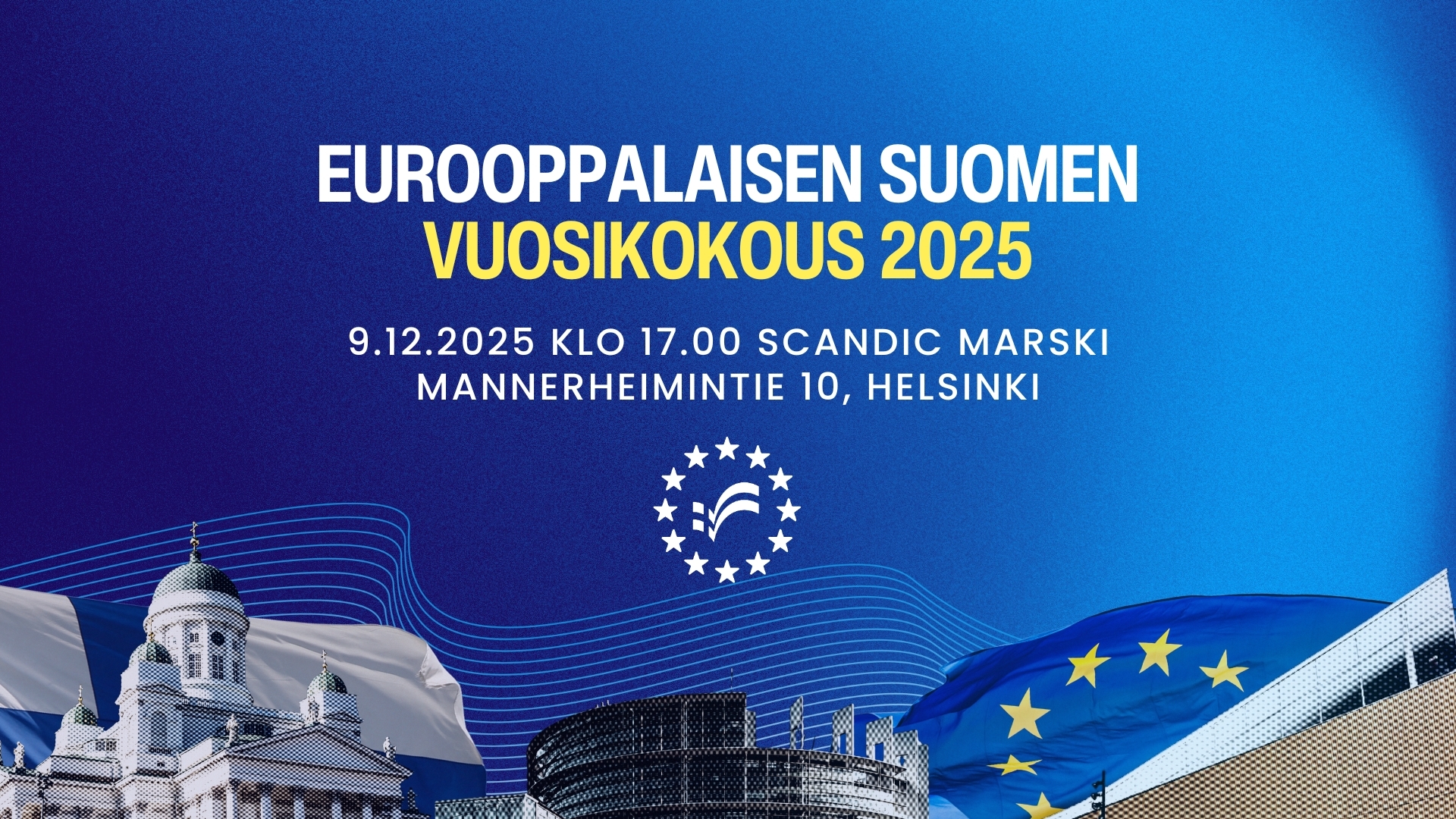
Eurooppalaisen Suomen vuosikokous järjestetään ti 9.12.2025 klo 17.00 alkaen Scandic Marskissa (osoite Mannerheimintie 10). Vuosikokoukseen ei voi osallistua...
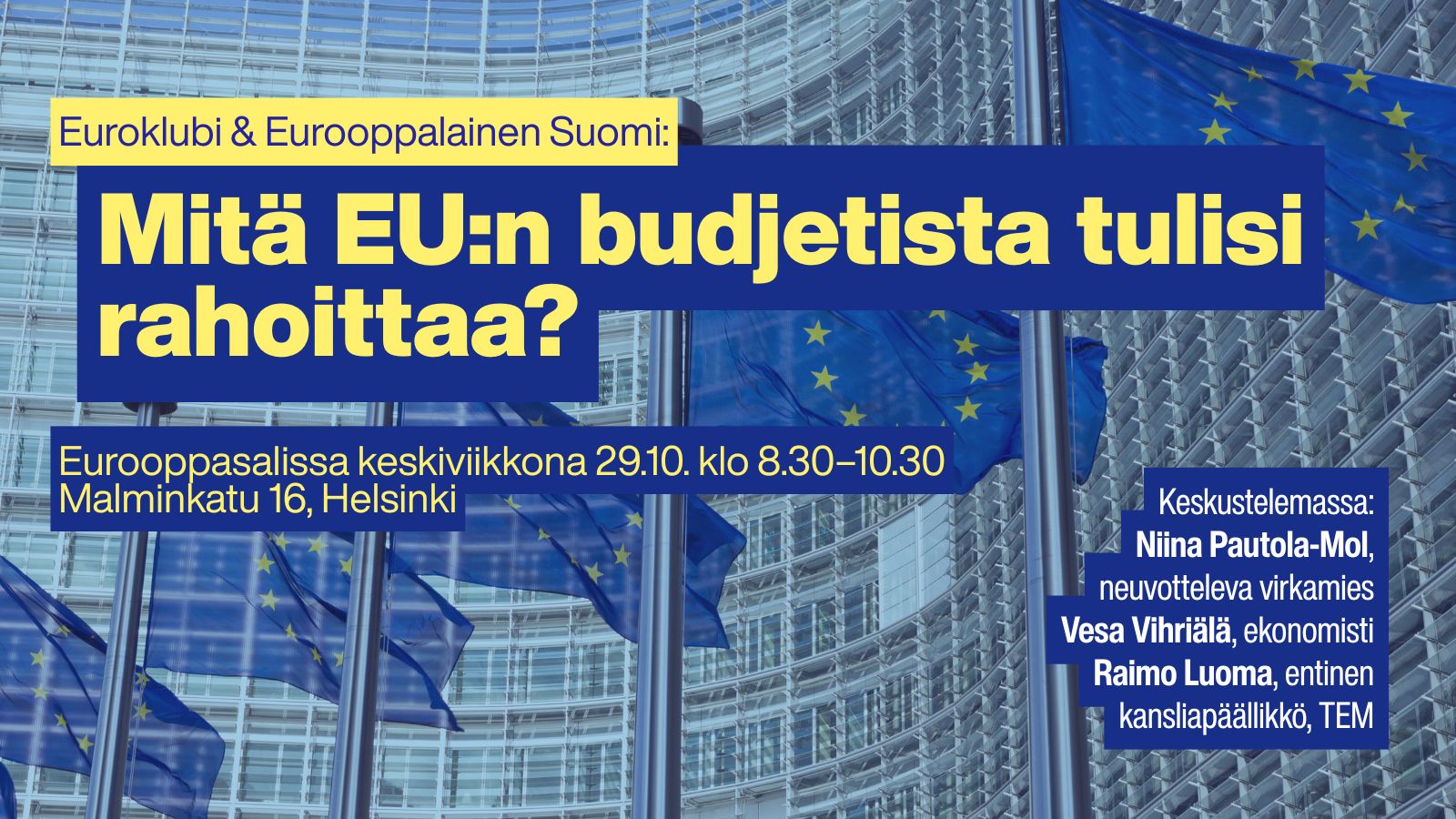
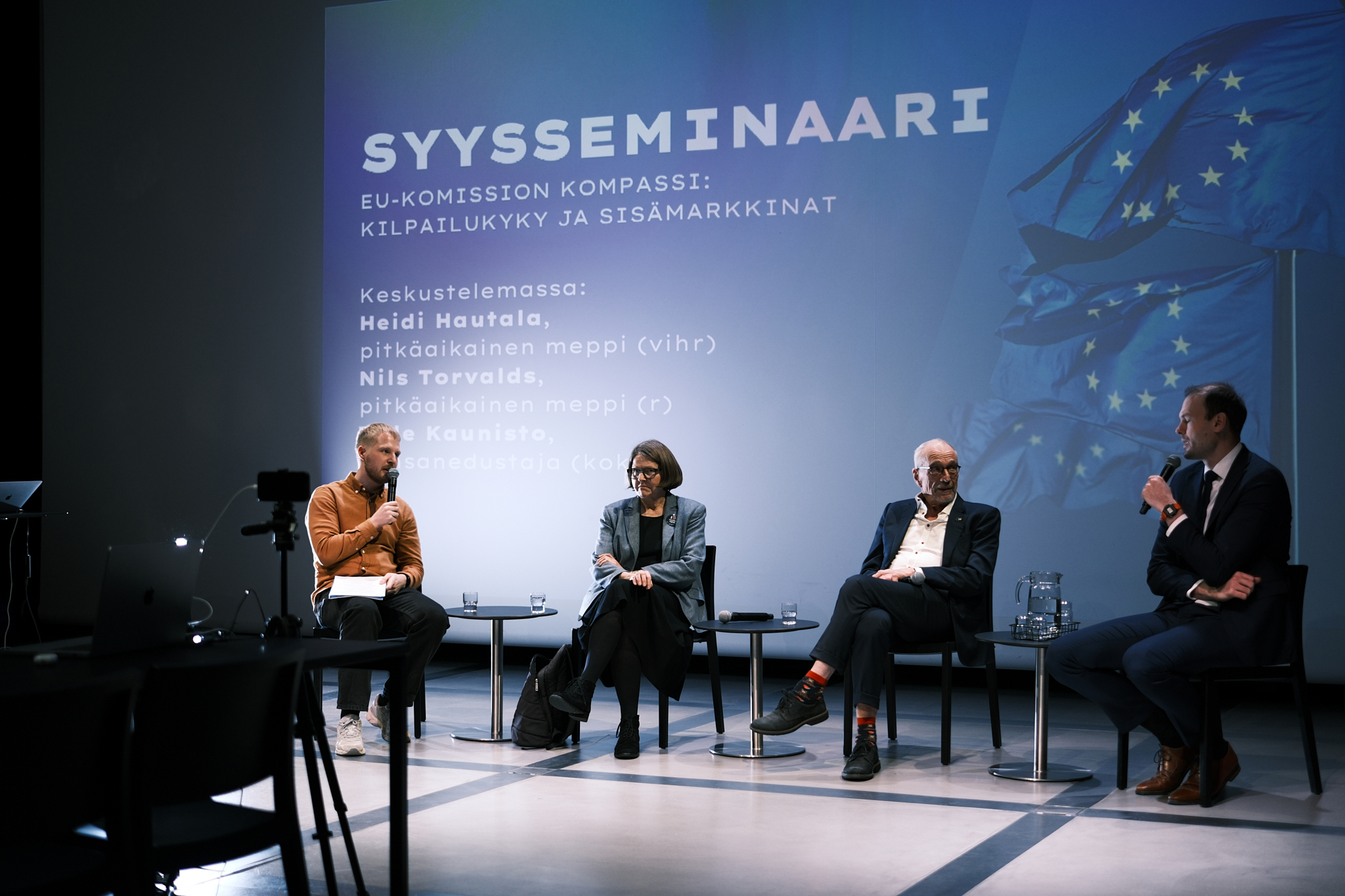
Eurooppasalissa keskiviikkona 29.10.2025 klo 8.30–10.30 Eurooppaa kohtaavat nyt monet haasteet. Euroopan komissio antoi 16.7.2025 esityksensä Euroopan unionin uusista...
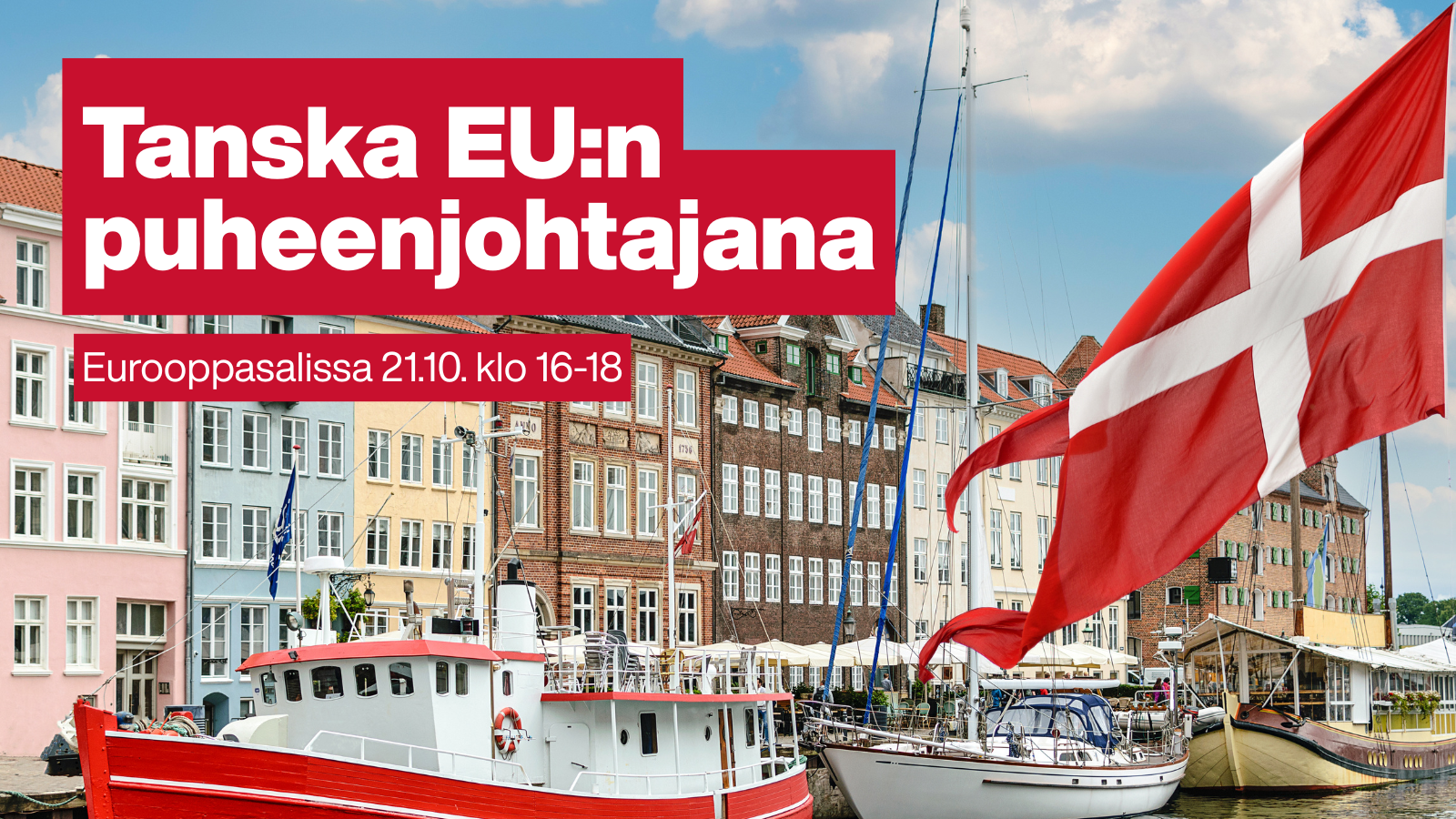
Euroopan kulttuuriyhdistys EKSO järjestää Eurooppalaisen Suomen kanssa yhteistyössä Tanska EU:n puheenjohtajana -tilaisuuden, jossa pureudutaan EU:n puheenjohtajamaa...
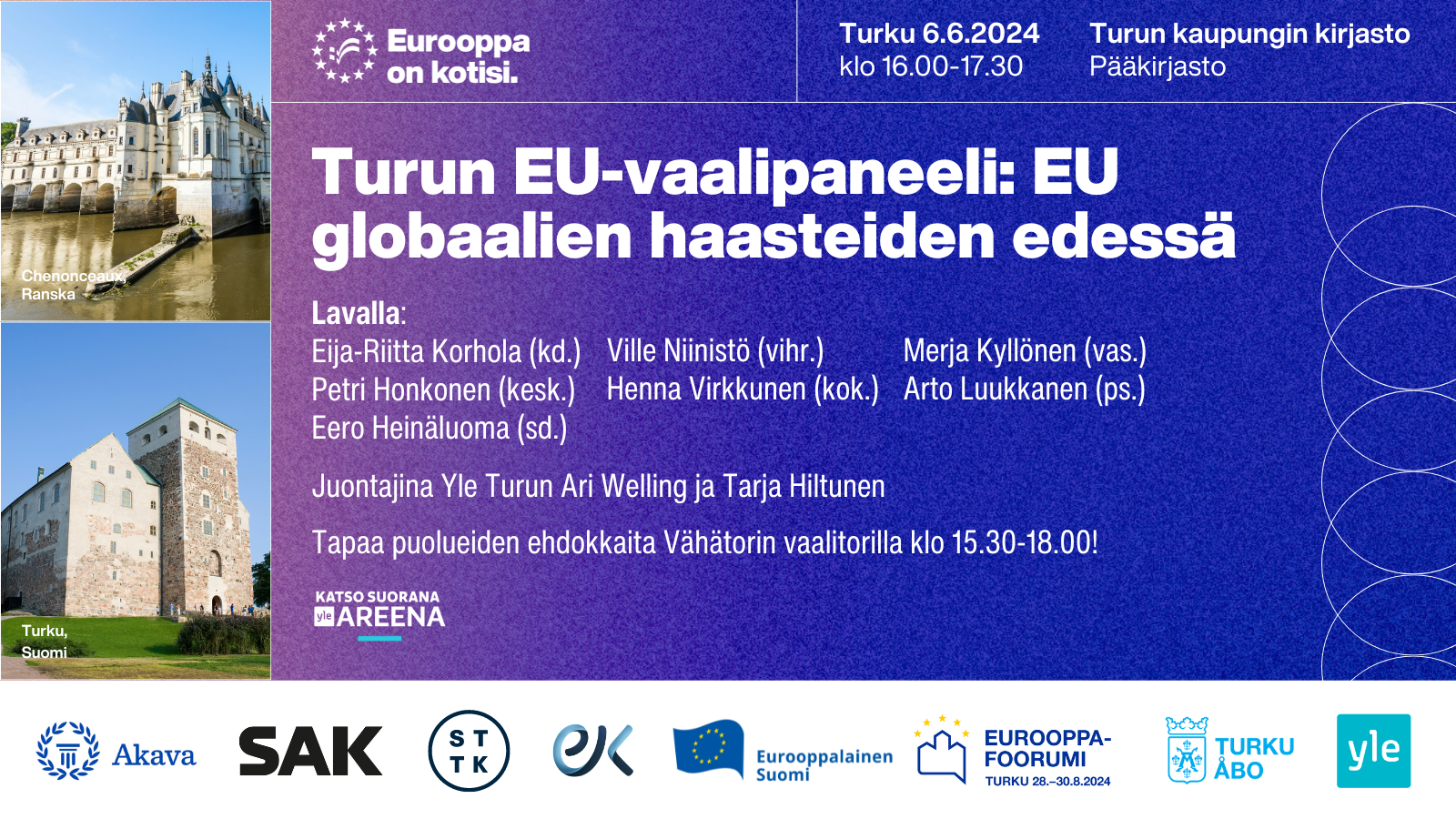
EU-vaaliehdokkaat saapuvat Turkuun 6.6.2024 tenttiin, jossa paneudutaan siihen, miltä tuleva EU:n viisivuotiskausi näyttää ja mihin suuntaan haluamme Suomessa Eurooppaa...

Meppiehdokkaat saapuvat Maailma kylässä -festivaaliin 26.5.2024 Rohkeat mepit 2024 -tilaisuuteen, jossa meppiehdokkaita haastatellaan ja haastetaan rennolla...
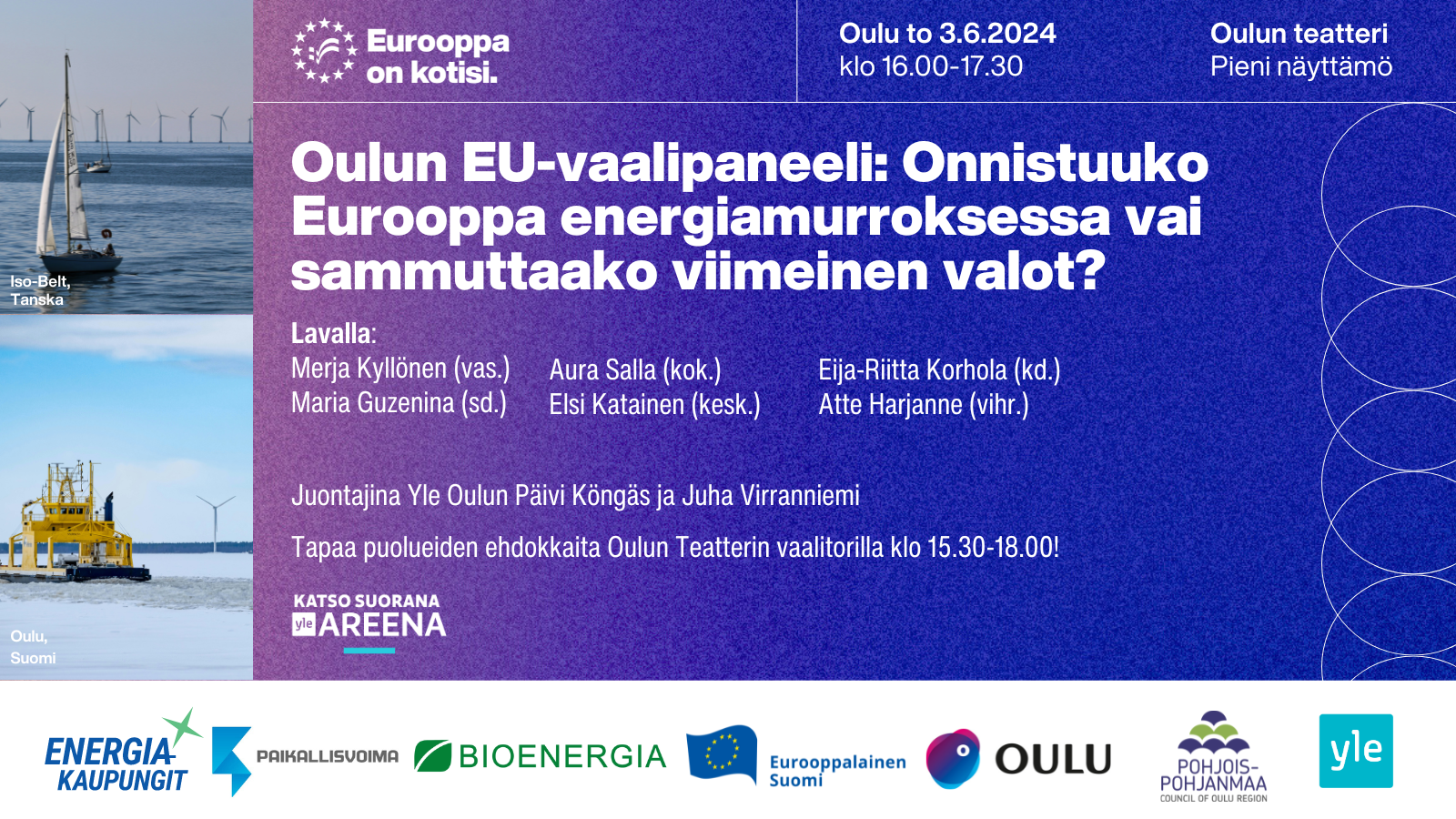
Meppiehdokkaat saapuvat Ouluun 3.6.2024 paneelikeskusteluun, jossa paneudutaan ajankohtaisiin energiapoliittisiin kysymyksiin. Onnistuuko Eurooppa energiamurroksessa...
Tallenteet
Euroopan Suunta
Julkaisut
EU-kalenteri
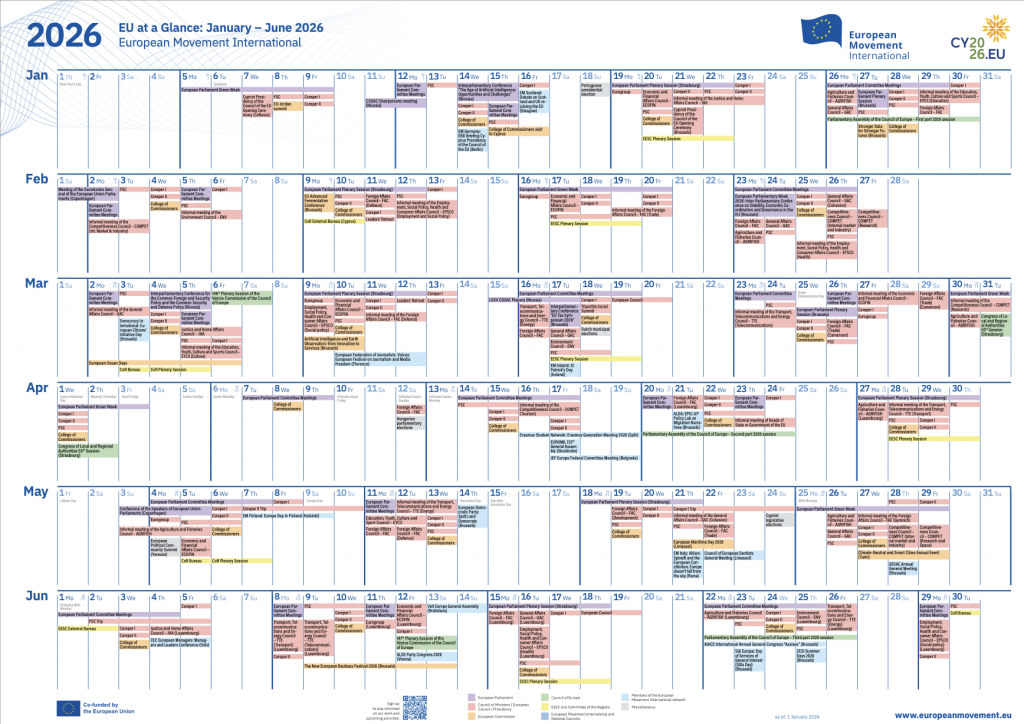
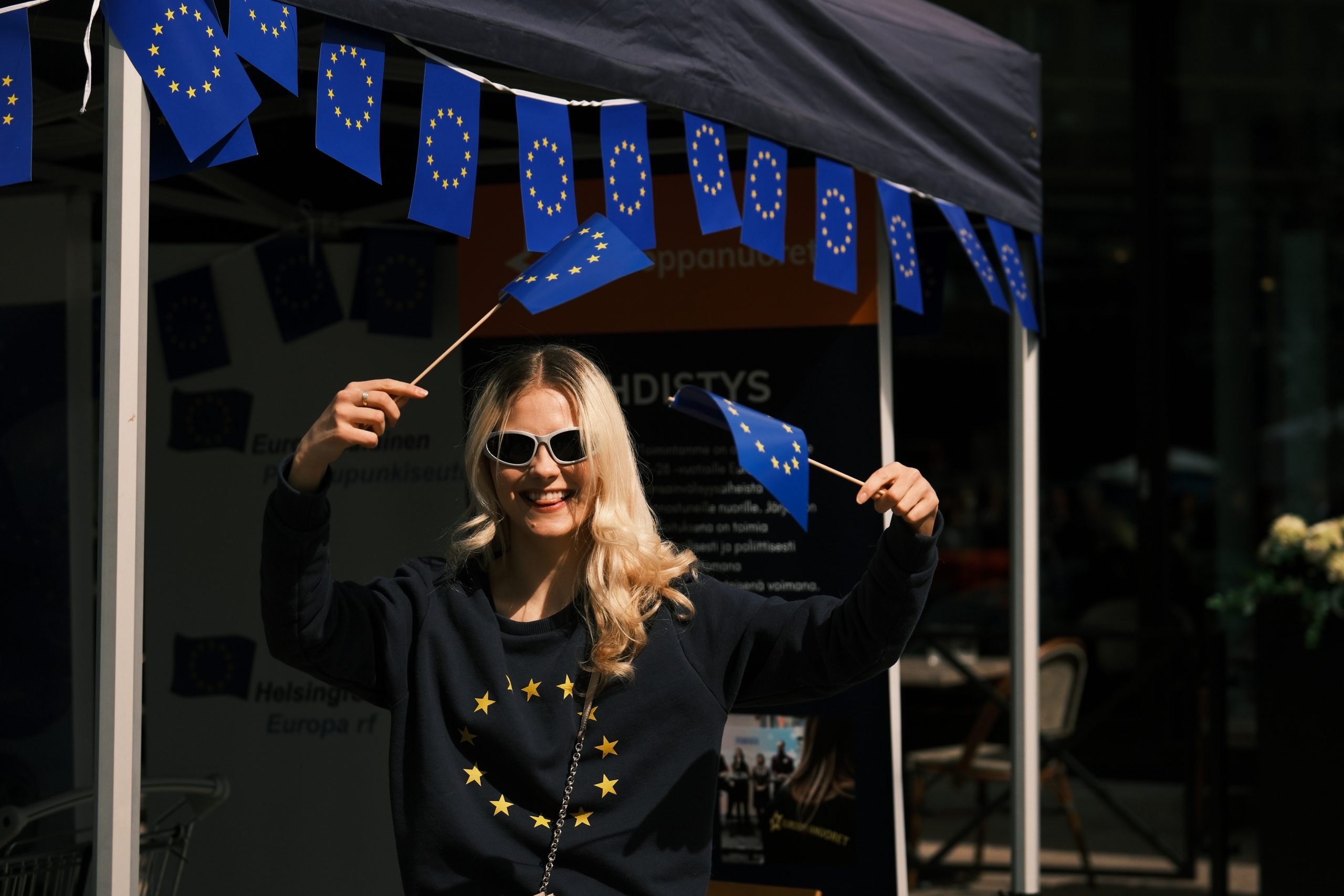
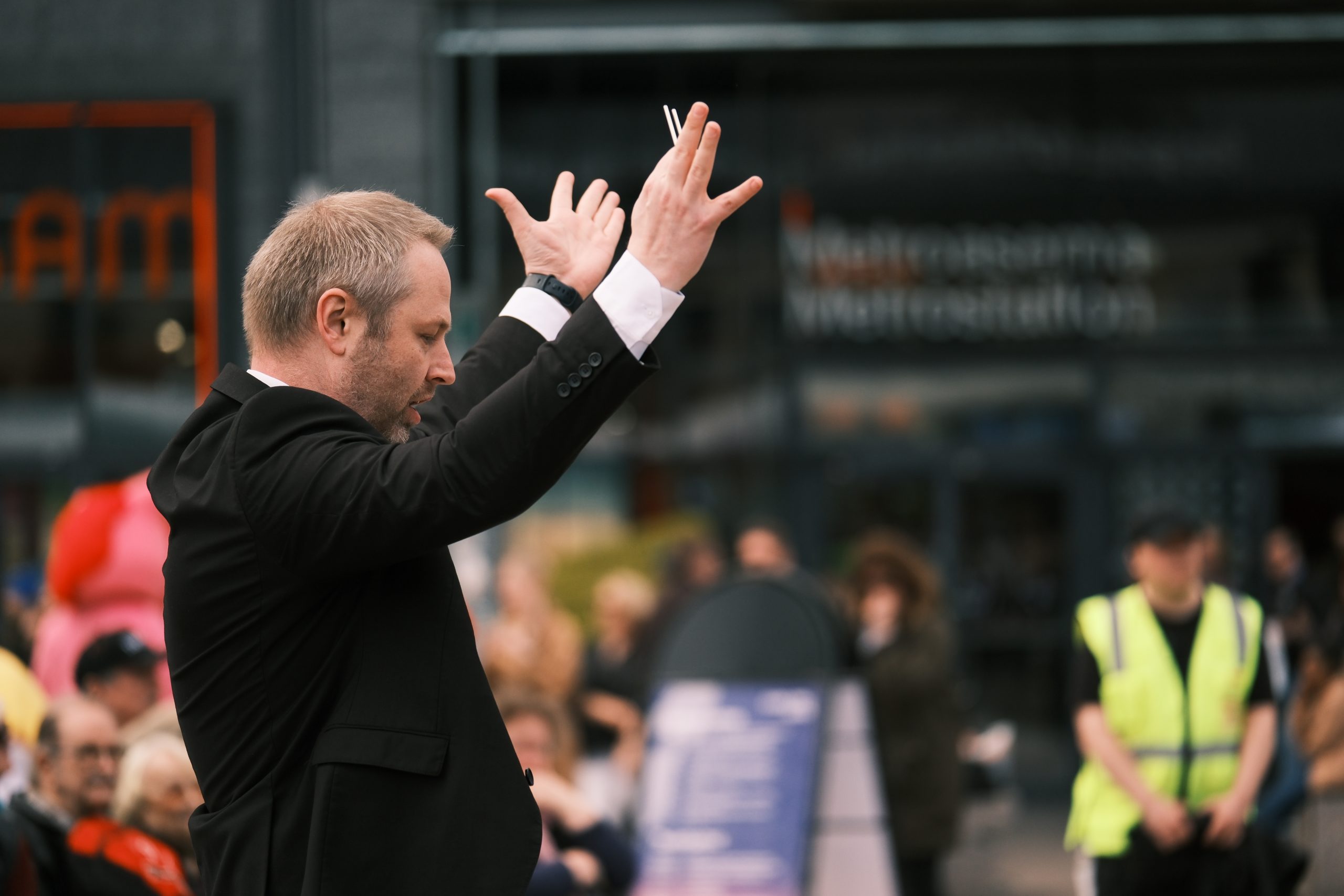
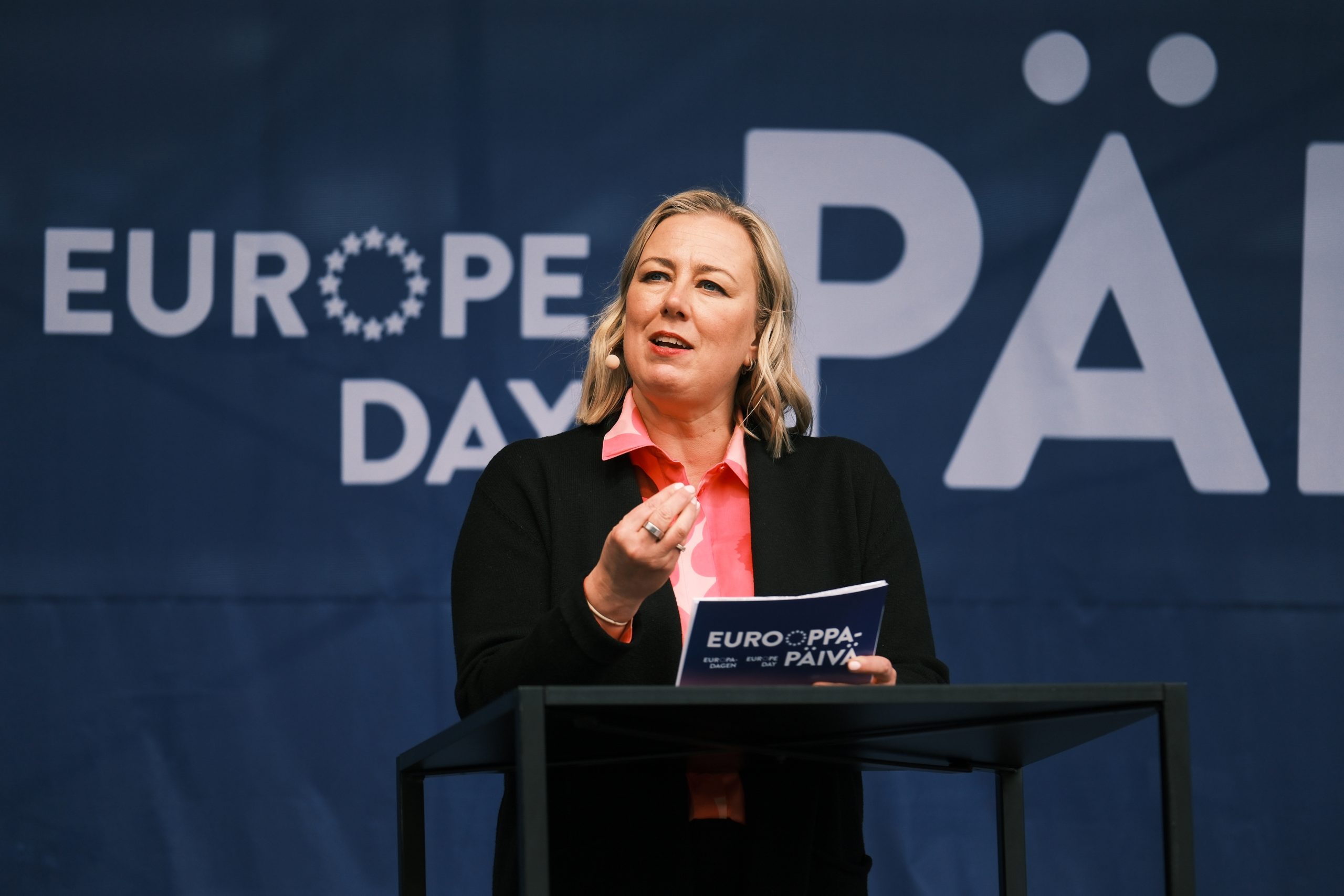
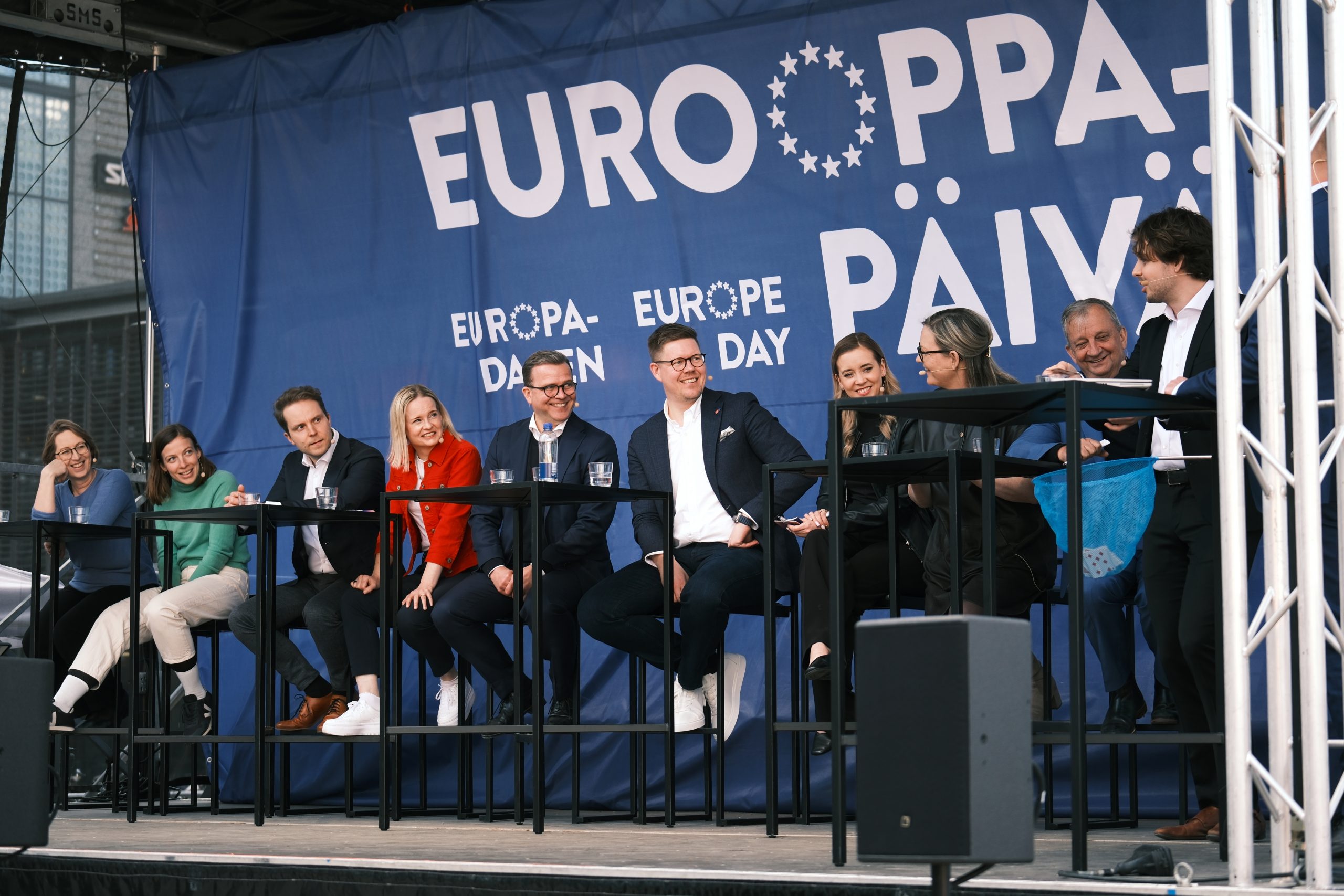
Kuvagalleria






Ura EU:ssa
Euroopan unioni on ainutlaatuinen työympäristö. Työskentely EU:ssa on aidosti kansainvälistä sekä monikulttuurista ja EU tarjoaa paitsi kilpailukykyisen palkan, myös mahdollisuuden ammatilliseen ja henkilökohtaiseen kasvuun.